


Showing all 5 results
Filter by price
Professional Inspection Cameras
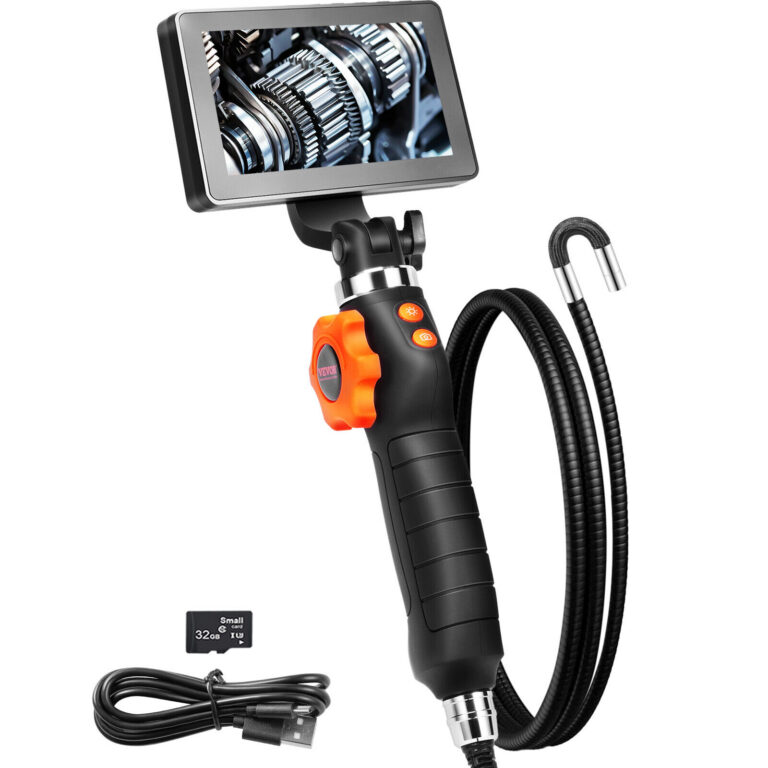
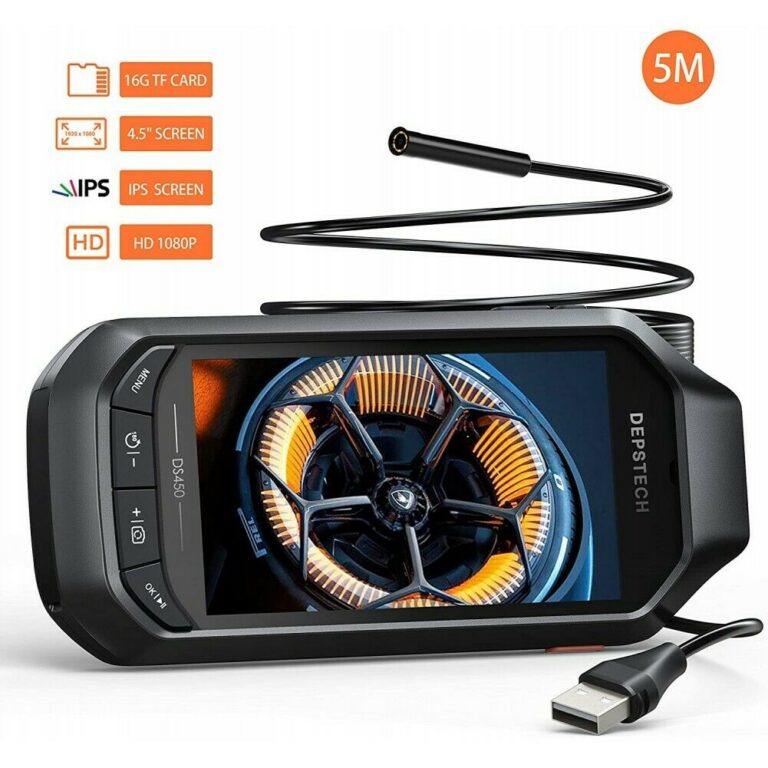
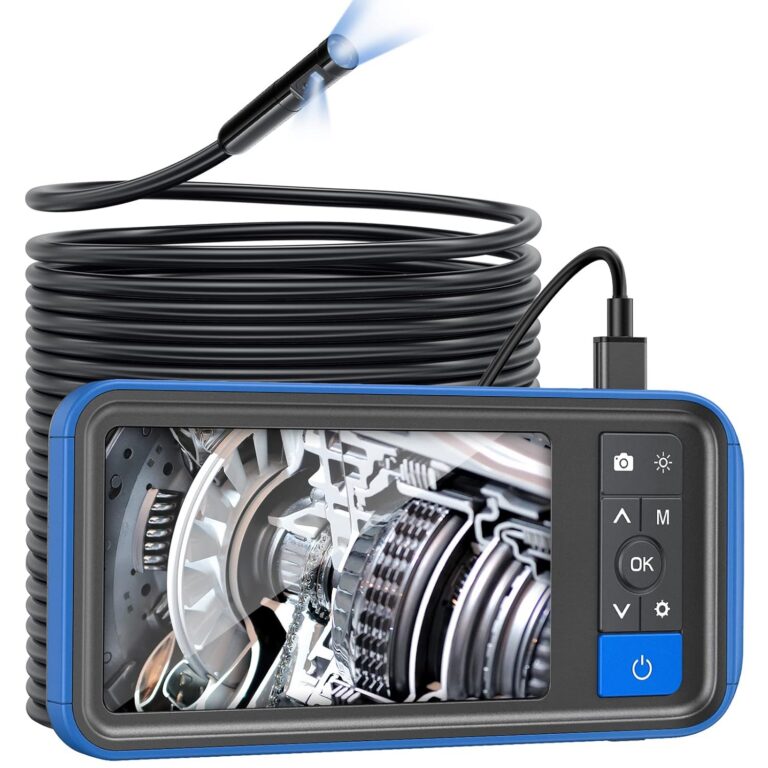
Endoscope Teslong 15m
In stock
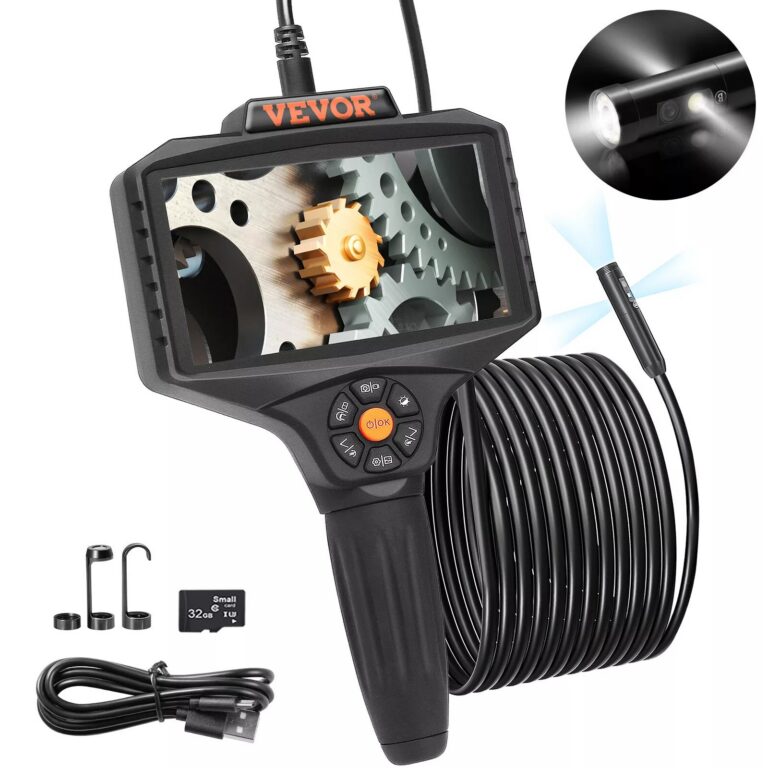
Endoscopic camera Vevor 5M
In stock
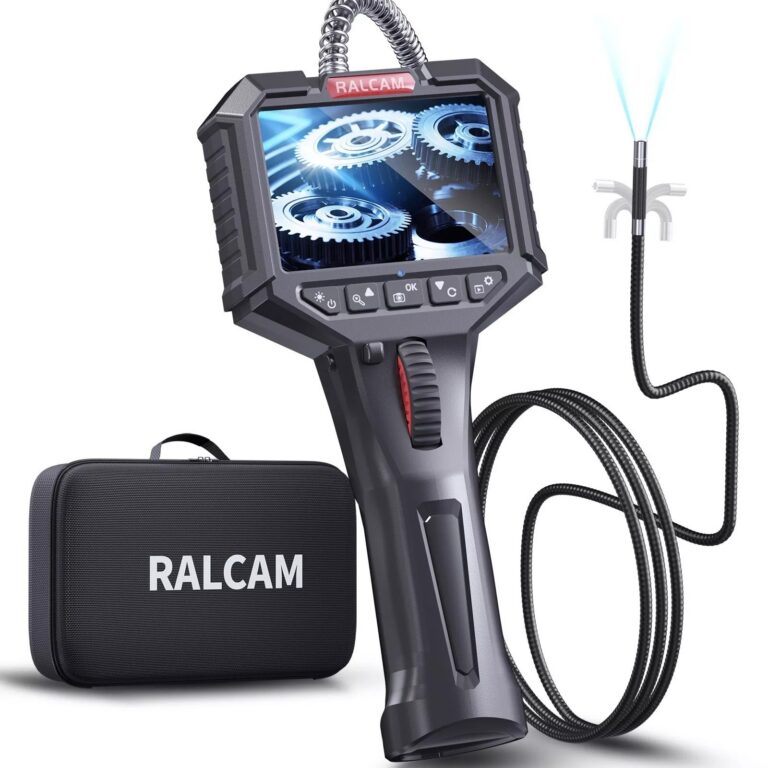
An inspection camera is a thin, flexible probe with a camera and light that shows places the eye cannot reach — inside an engine cylinder, a wall cavity, a pipe, a ventilation duct or a car body section. It is also known as a borescope or endoscope camera.
Read more
Where an inspection camera is used
Most often in car servicing — checking the cylinder head, pistons, valves and general engine condition through the spark plug hole. It is equally useful in construction: tracing a pipe or cable inside a wall, inspecting ventilation ducts, or retrieving something dropped into a narrow cavity.
Which specifications matter
Probe diameter decides where the camera can go. 8 mm is the general-purpose size; 5.5 mm passes easily through a spark plug hole.
Cable length — from 1 to 15 metres.
Lighting — LEDs at the camera head with adjustable brightness.
Articulating head — lets you turn the camera in place and look sideways without pulling the probe out.
A longer cable is not always better
This is the most common mistake when choosing. The longer the cable, the softer it becomes and the harder it is to steer into a narrow opening — a 10-metre cable simply folds over inside an engine cylinder.
For car diagnostics 1–2 metres is more than enough and far easier to handle. You need 10–15 metres only when going deep into a pipeline or a well. Choose the length for the job, not the maximum available.
Articulating head or fixed
A fixed camera only looks straight ahead. Inside an engine cylinder that is often not enough — a valve or the cylinder wall sits to the side, and seeing it requires the camera to turn.
An articulating head does exactly that: the probe stays where it is while the camera rotates up to 180°. If you need the tool for professional diagnostics, this is the deciding feature.
Which model to choose
For engine diagnostics — an articulating model: RALCAM N306 video endoscope or the VEVOR articulating endoscope camera.
For general inspection — walls, ventilation, household tasks: DEPSTECH DS450 or the Vevor 5M inspection camera.
For deep cavities — pipelines, wells, long ducts: Teslong 15 m endoscope.
Probe diameter, resolution and contents are listed on each product page. For other inspection equipment see the diagnostic tools section.
Frequently asked questions about inspection cameras
What is an inspection camera?
It is a thin flexible probe with a camera and light that shows places you cannot see into — inside an engine, a wall cavity, a pipe or a ventilation duct.
Is a borescope the same as an endoscope camera?
In everyday use, yes. Technically a borescope has a rigid probe and an endoscope a flexible one, but both terms are used for the same type of tool in shops.
What cable length do I need?
For inspecting a car engine 1–2 metres is plenty. A long cable is soft and folds over inside narrow openings. You need 10–15 metres only for going deep into pipelines or wells.
What is an articulating head for?
It turns the camera in place so you can look sideways without withdrawing the probe. Inside an engine cylinder, where valves and walls sit to the side, this feature is decisive.
What probe diameter fits a spark plug hole?
A 5.5 mm probe passes easily through the spark plug hole on most cars. 8 mm is the general-purpose size but will not fit every engine.
Does it work underwater?
The probe and camera head are usually waterproof and can be submerged. The screen and handle are not and must stay dry. The exact protection rating is listed on each product page.
Can it connect to a phone?
Models fall into two groups: those with their own screen and those that connect to a phone over WiFi or cable. A built-in screen is more practical in a workshop because it does not tie up your phone.
How much does an inspection camera cost?
Our range runs from 350 to 475 GEL. The difference lies mainly in probe diameter, cable length, resolution and whether the head articulates.