When choosing, what matters is not only the price, but also the measurement range, accuracy, device type, field of use and the technical capabilities of the specific model.
What is a measuring instrument and what is it used for?
A measuring instrument is a device that helps you determine, monitor or compare a specific physical value. Different types of devices perform different tasks, so instead of a universal meter you need to select the device that suits the specific job.
Modern electronic measuring instruments are especially convenient when you need results quickly. A digital display, a compact build and functions designed for a specific parameter make the device easy to use both in a work environment and in the field.
Measuring devices can be needed for professional technical work, for checking various equipment and environments, for vehicle-related diagnostics, for assessing labour and environmental conditions, for measuring air movement and flow, for controlling noise levels, for checking the radiation background, and for personal safety and everyday monitoring.
Accordingly, choosing a measuring instrument should always start with the question: what exactly do you need to measure?
Professional measuring instruments for different tasks
In measuring technology, the difference is not only in the shape and price of the device. Two seemingly similar instruments can differ significantly in measurement range, accuracy, sensitivity, response speed and additional functions. That is why, for professional use, comparing the technical specifications in advance is especially important.
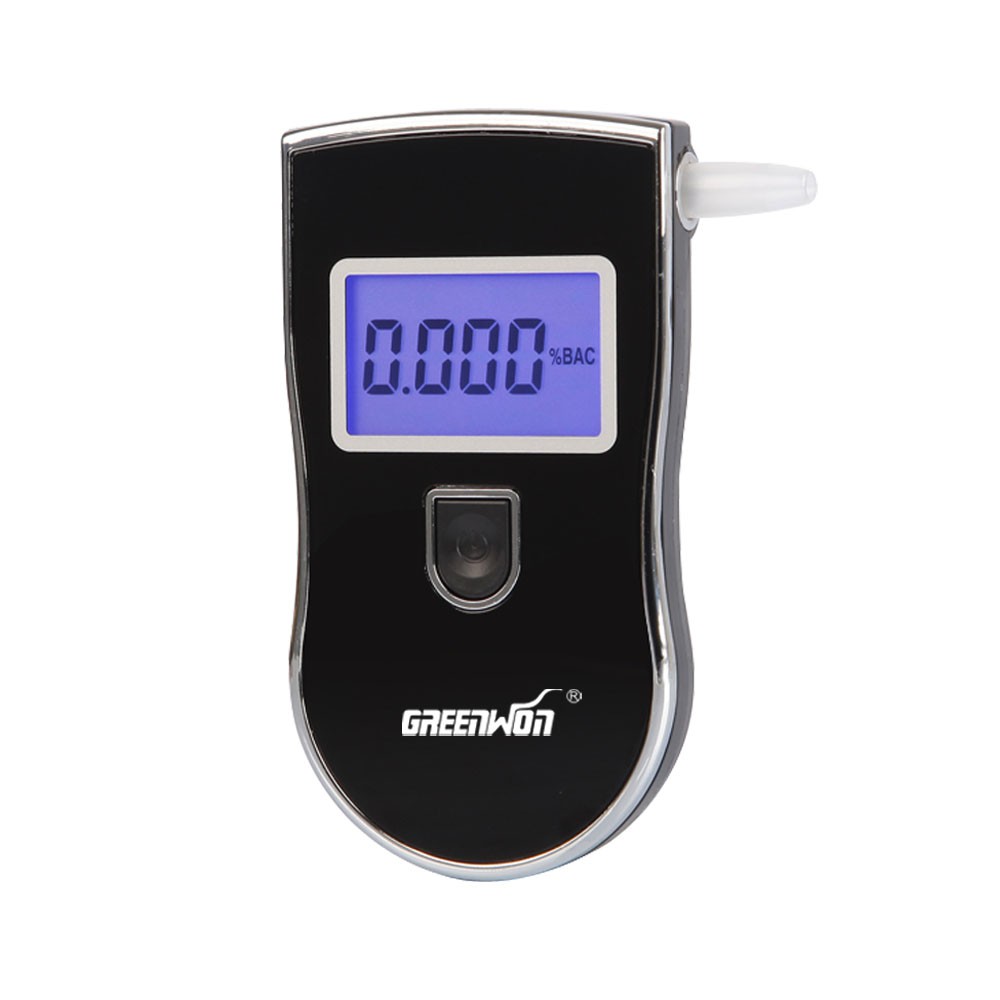
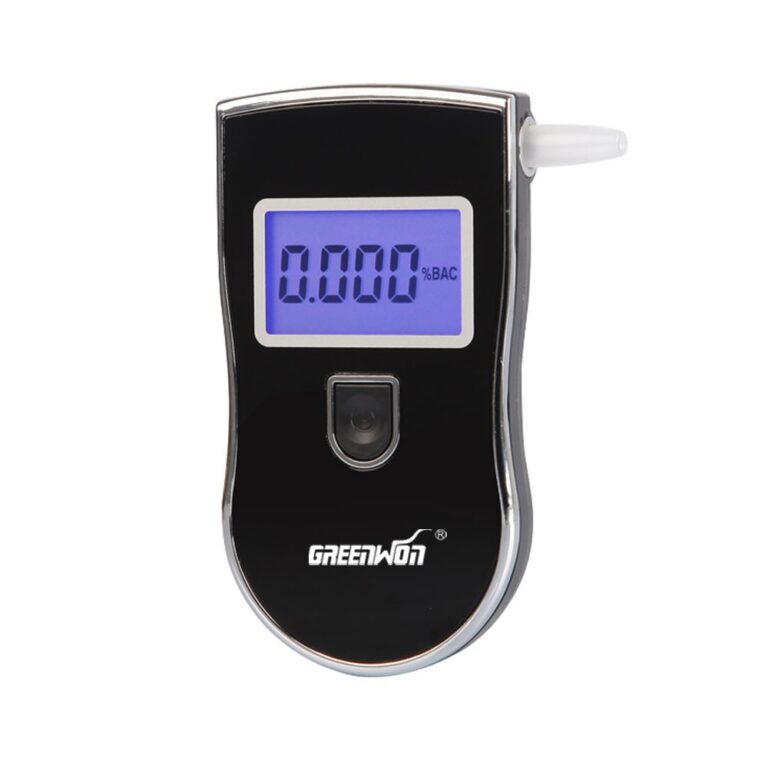
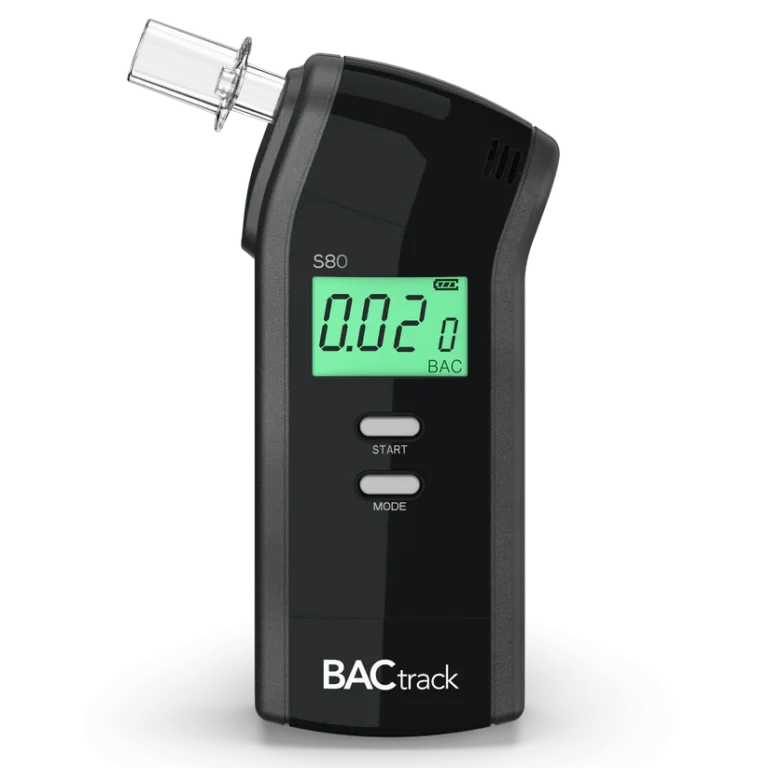
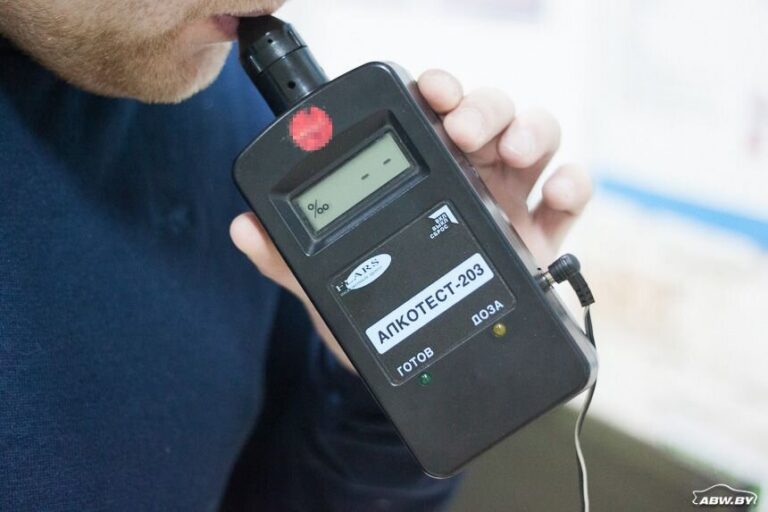
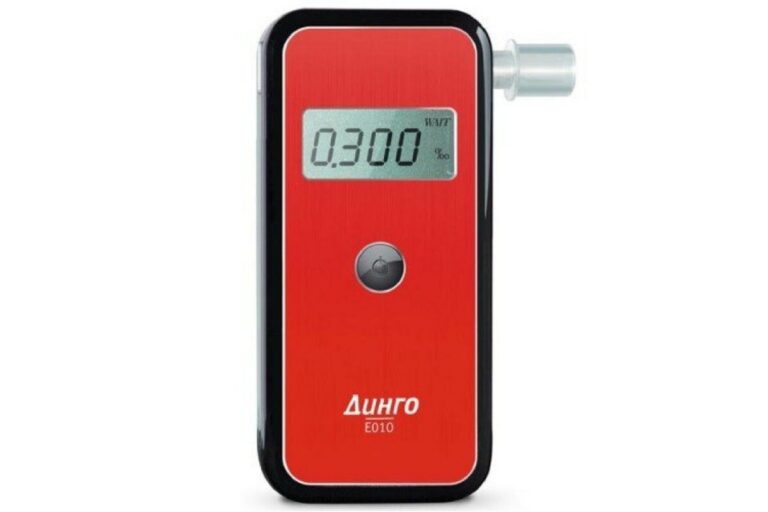
A breathalyzer is used to check the alcohol content in a person’s exhaled breath. Such a device can be used both for personal control and in a professional environment. When choosing a breathalyzer, attention should be paid to the sensor type, measurement range, margin of error, the need for calibration and the recommended frequency of use. If you need the device for regular or professional use, a low price alone should not be the main selection criterion. The stability of the results also matters.
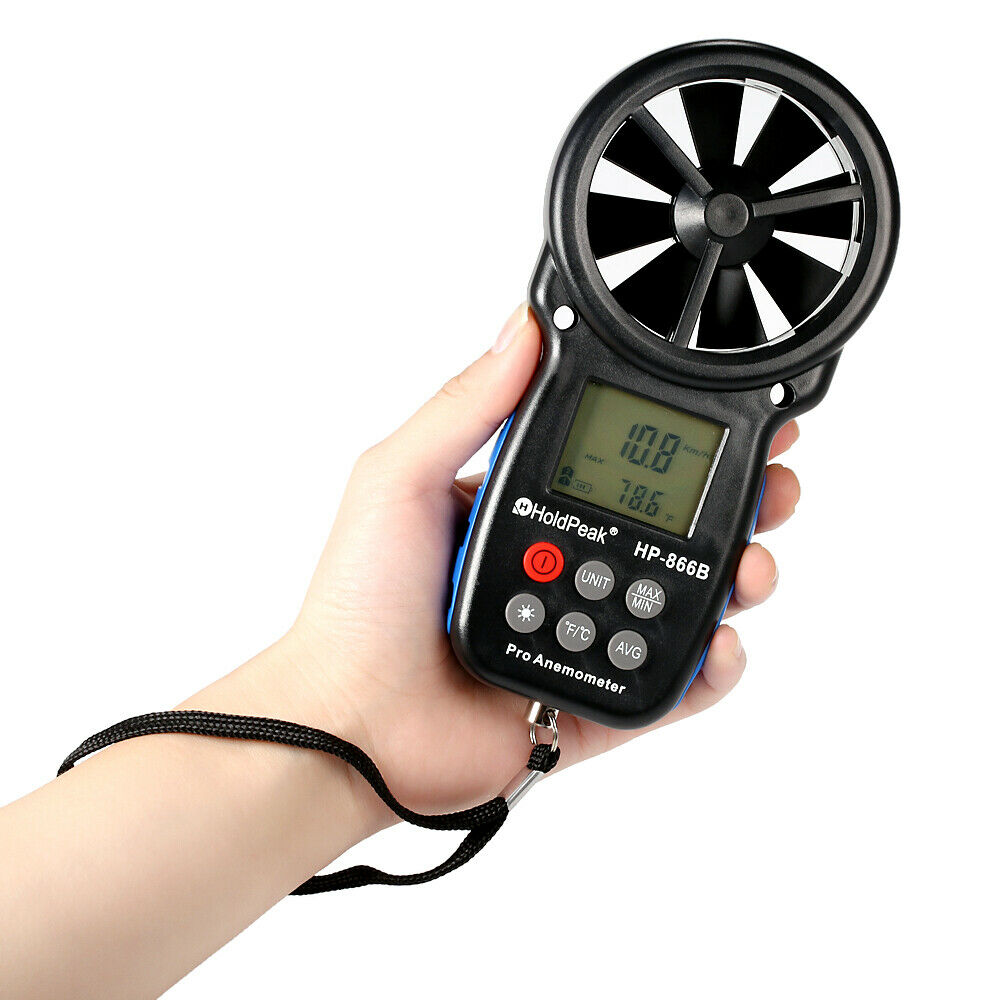
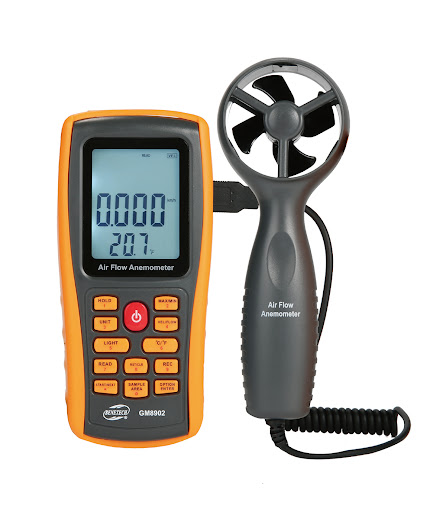
An anemometer, or wind speed meter, is used to determine the speed of air movement. Depending on the model, it may additionally be able to measure other parameters related to air flow. Wind meters are especially useful when checking ventilation and air-conditioning systems, in technical work, when assessing outdoor conditions and in other cases where accurate air-movement data is required. When choosing an anemometer, compare the measurement range, accuracy, units of measurement and the additional functions you need.
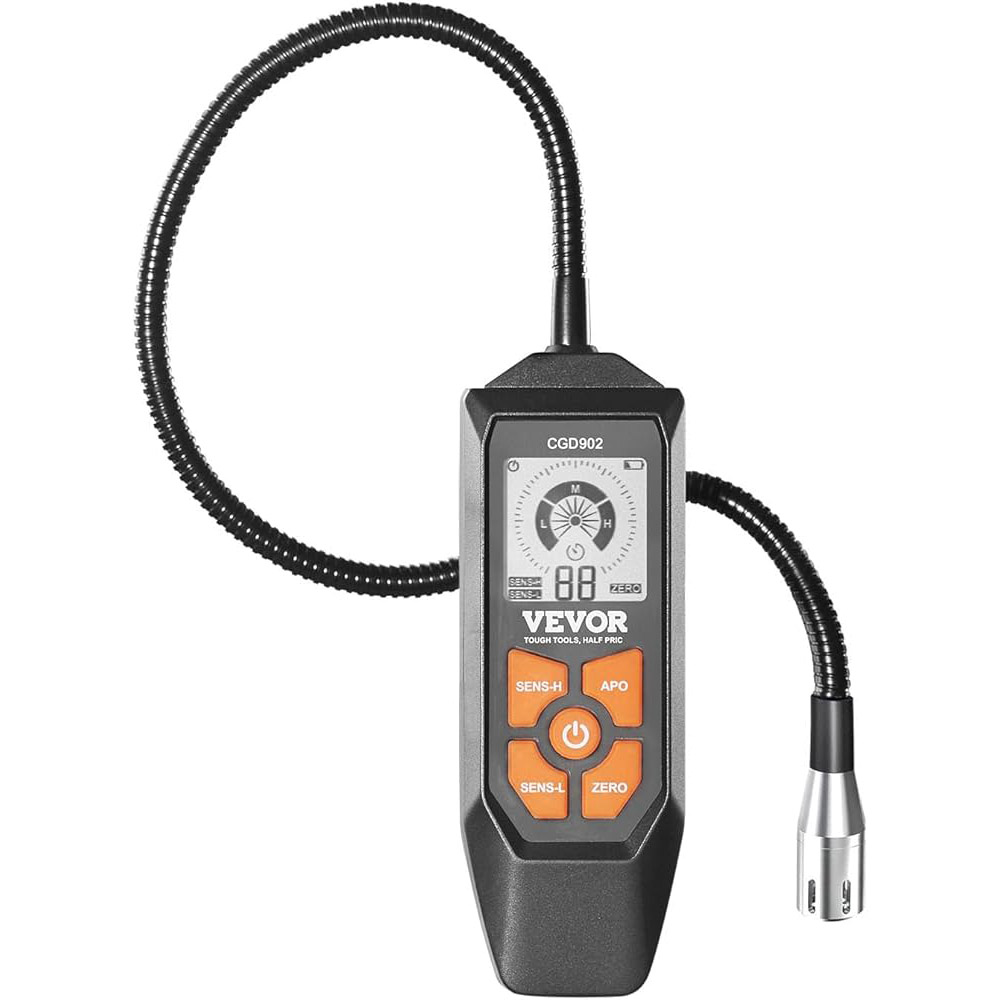
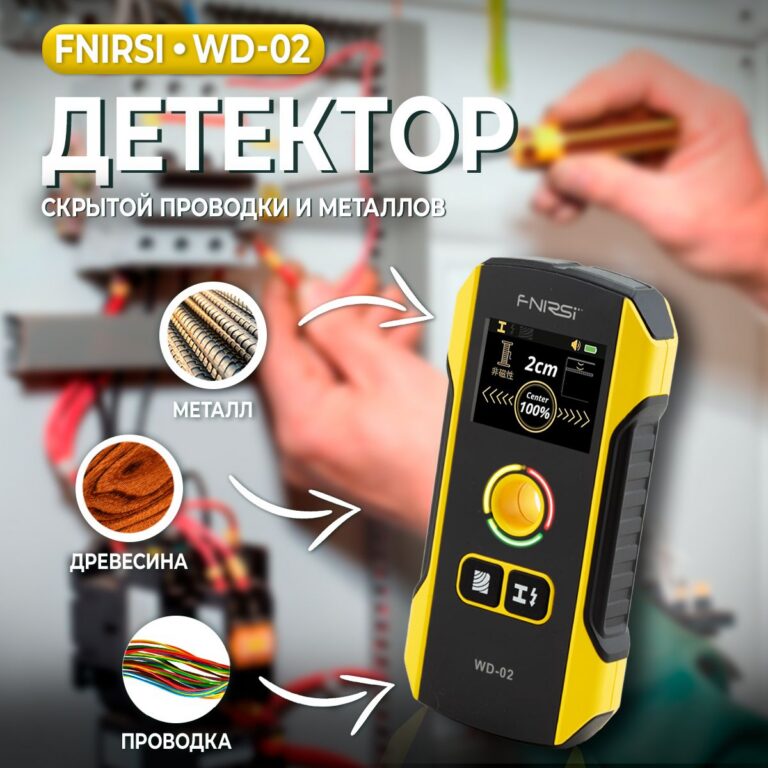
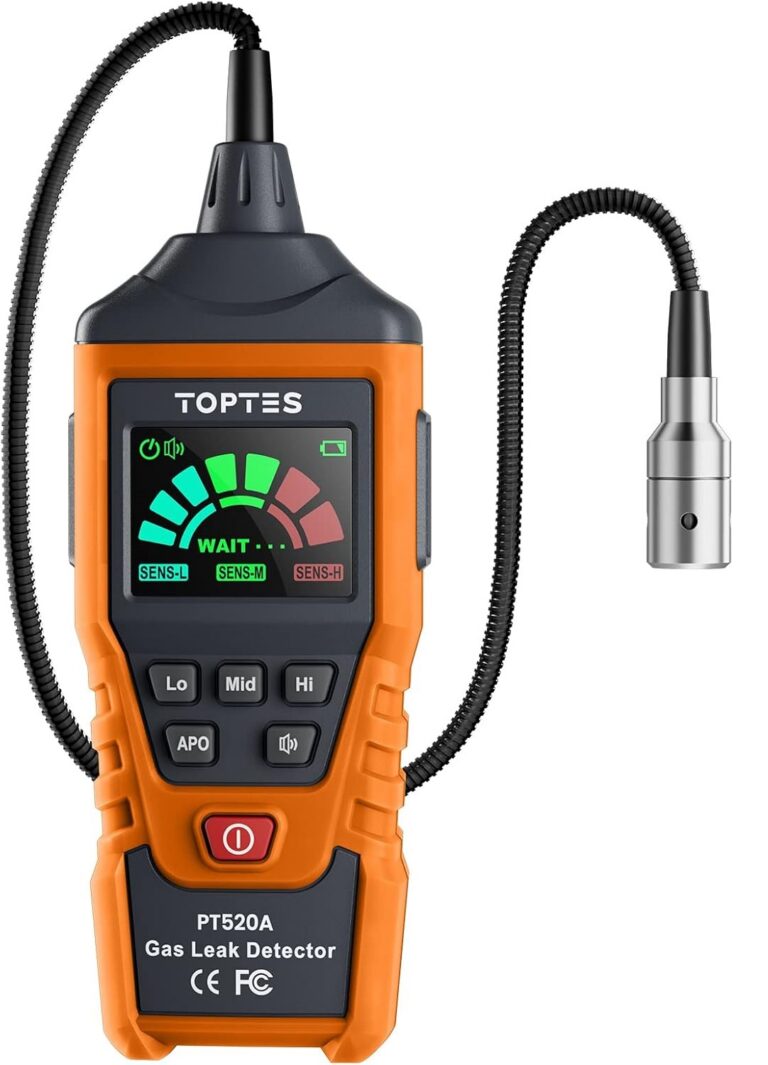
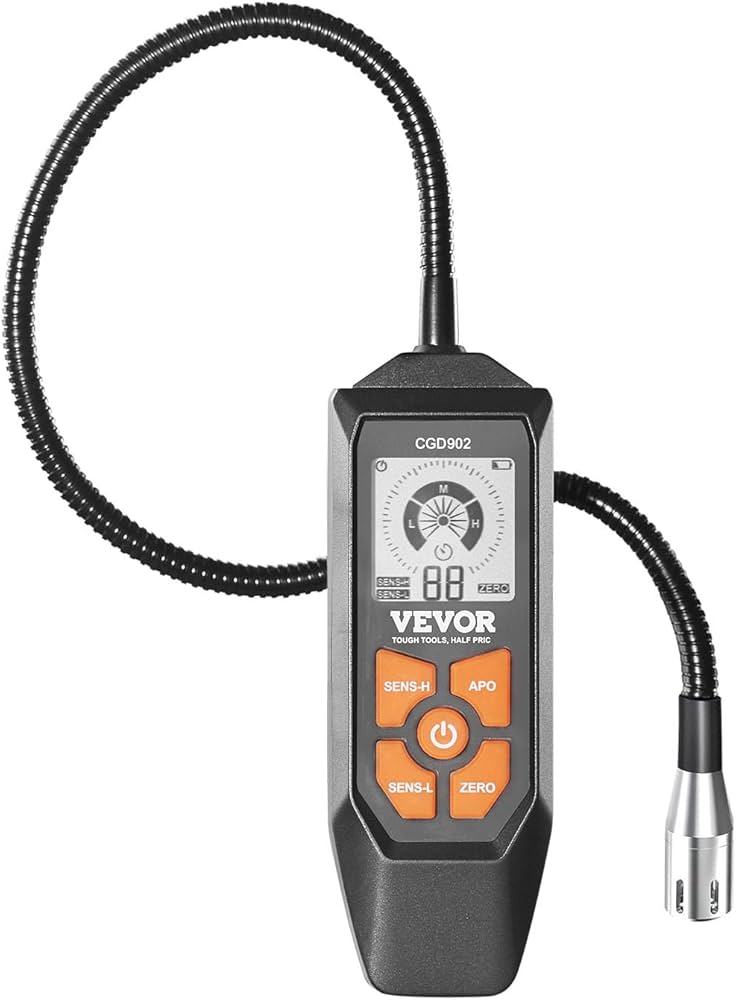
In some cases a visual inspection alone is not enough and a special detector is needed. The purpose of detectors varies by model. With them you can check various environments, spaces or specific indicators. That is why, when choosing this type of device, it is especially important to review the purpose and technical capabilities stated in the product description. A correctly chosen detector lets you obtain the needed information quickly and base a decision on the measurement result rather than on guesswork.
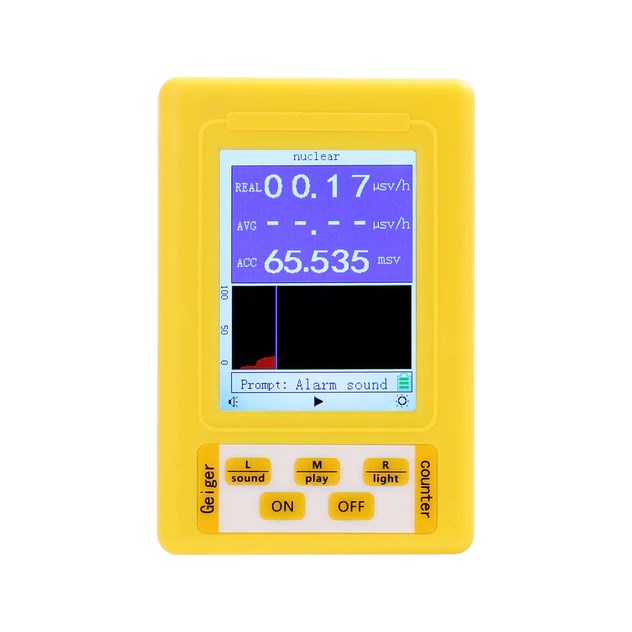
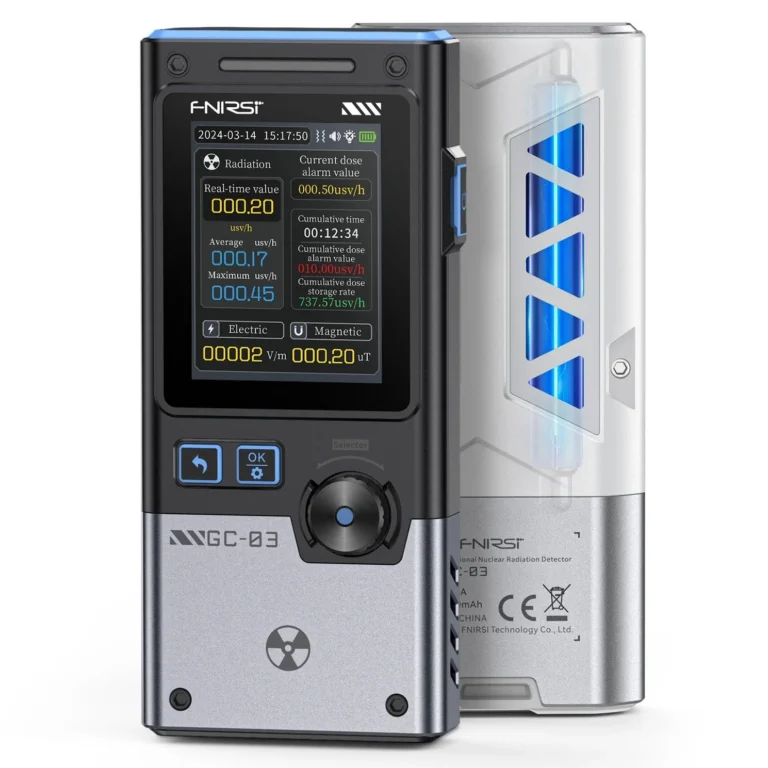
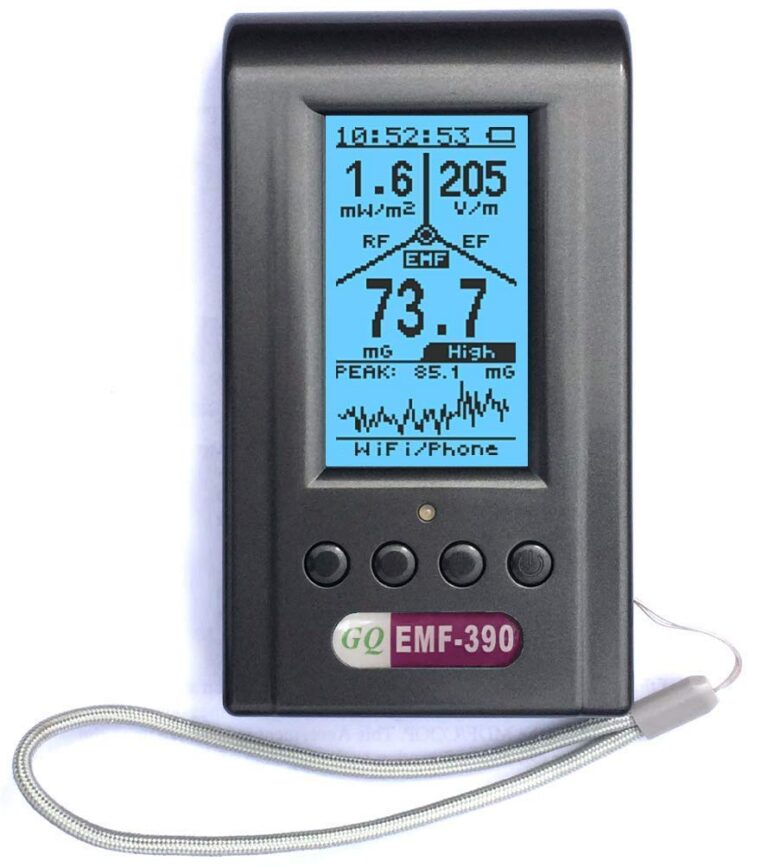
A radiation meter is used to monitor the radiation background and the relevant indicators of ionizing radiation. Such devices may be needed to check various environments, objects, materials or items. The purpose and measurement capabilities of a specific model differ, so before buying a radiation meter it is important to carefully compare the technical data. Pay particular attention to the measurement range, sensitivity, units of measurement and the way the data is presented on the display.
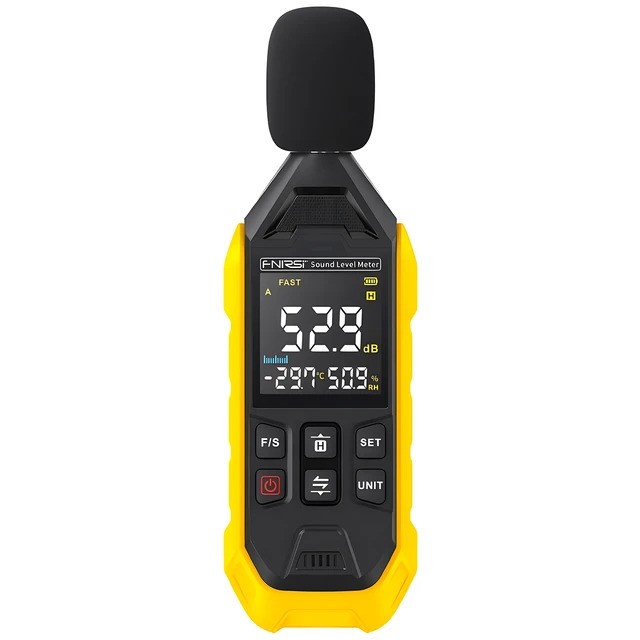
A noise meter, often also called a decibel meter, is used to measure the sound level in an environment. It is practical for assessing the noise of a workspace, technical equipment, various objects or the surroundings. The measured result lets you evaluate the noise level with a specific figure and not rely only on subjective perception. When choosing a noise meter, the working range, accuracy and the specific field of use are important.
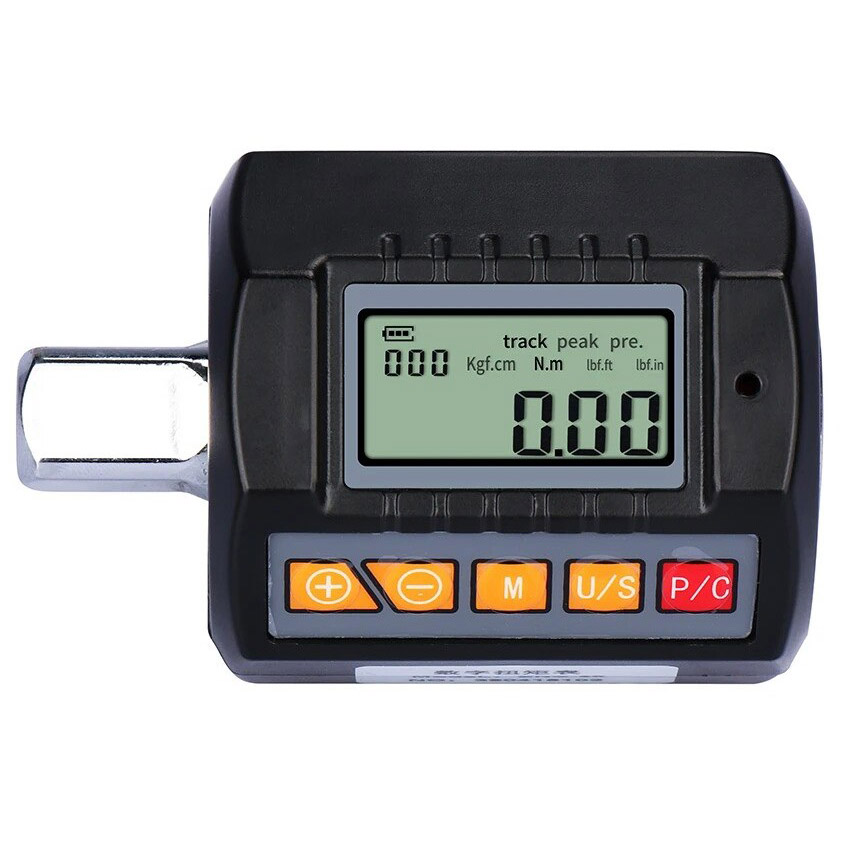
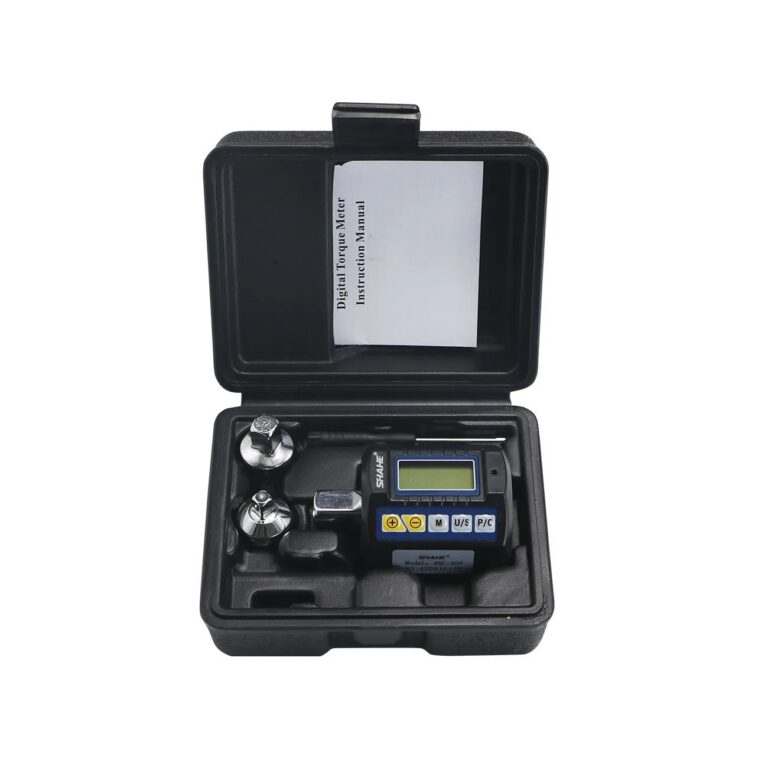
A dynamometer is used to measure the relevant indicators of force or load. Such devices can be used in various technical and practical tasks. When choosing, you must know in advance the range in which you intend to measure, because it is precisely the maximum load and the measurement accuracy that determine which model suits the specific job.
How to choose the right measuring instrument?
When buying a measuring device, choosing by product name alone is not always enough. Even devices in the same category can have significantly different capabilities. Before buying, consider a few key parameters.
- Purpose of measurement. First determine exactly which value you need to obtain.
- Measurement range. Check whether the chosen model covers the minimum and maximum values you need.
- Accuracy and margin of error. This is especially important for professional use, when even a small difference can matter.
- Frequency of use. The requirements for a device used for daily professional work and for occasional personal use may differ.
- Functions. Some measuring devices have only one main function, while others also offer additional modes and data-processing capabilities.
- Ease of use. Display readability, button layout, size and portability are especially important when you use the device often.
Measuring instruments for professional and personal use
Not every user has the same requirements. For a specialist, high accuracy, a large working range and specific technical functions may be important, while for personal use a customer often looks for a compact, easy-to-use device designed for a specific task. That is why it is advisable to compare the technical data of different models rather than simply choose the most expensive or the cheapest option. A good measuring instrument is one that suits your specific job.
Why is accurate measurement important?
In a professional environment, inaccurate data can lead to a wrong assessment, extra work or a wrong decision. The same principle applies in everyday conditions. When a decision depends on a specific figure, reliable information is far better than a guess. This is exactly the main purpose of measuring technology — to turn a hard-to-assess parameter into a concrete, readable figure. That is why, when choosing a device, particular attention should be paid not only to its functions but also to how well its capabilities match the job you plan to perform.
Buying measuring instruments at TechnoKing
At TechnoKing you can choose measuring instruments and devices for various purposes, including breathalyzers, anemometers, detectors, dynamometers, radiation and noise meters. On each product page you can review the main characteristics of the specific model, its measurement capabilities and other technical data.